
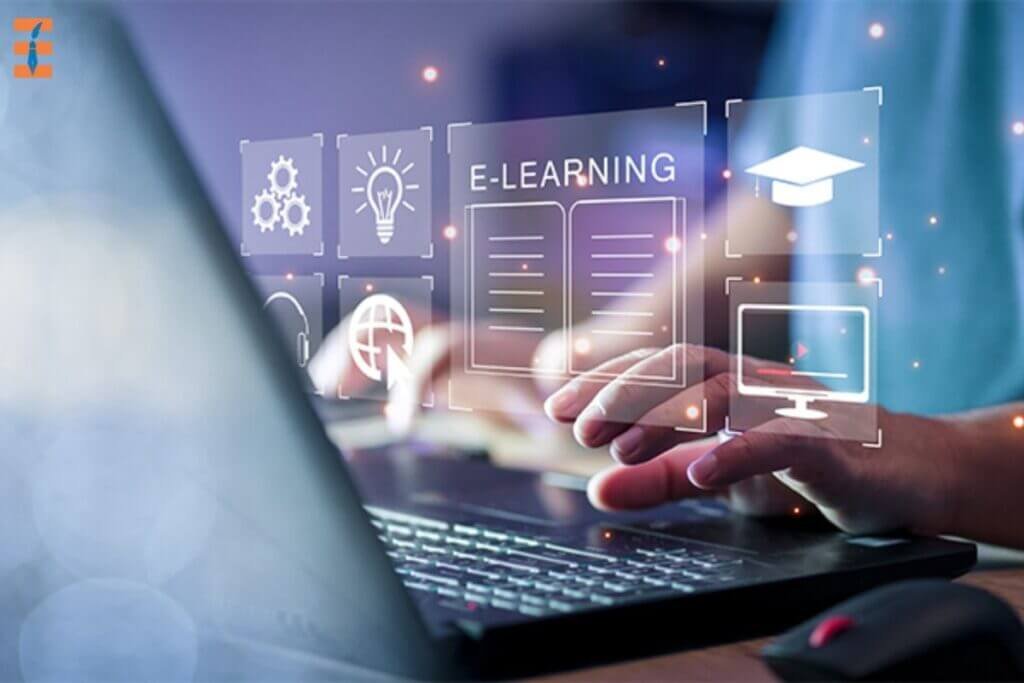

Emerging technologies are reshaping digital education by enabling scalable, data-informed learning pathways. Cloud platforms, analytics, and adaptive software expand access while personalizing pacing and resources. AI tutors offer real-time guidance and feedback at scale, though privacy and governance remain pivotal concerns. Immersive simulations generate richer evidence of learning, yet raise questions about surveillance and equity. The balance of innovation with ethical practice will determine whether these tools strengthen pedagogy or widen gaps, inviting careful scrutiny.
What Emerging Technologies Are Transforming Digital Education
Emerging technologies are redefining digital education by enhancing access, personalization, and assessment capabilities. The analysis focuses on transformative tools—cloud platforms, data analytics, and adaptive software—that shape learning ecosystems. They enable scalable engagement while preserving ethical standards.
Yet tensions arise around assessment ethics and student privacy, demanding rigorous governance, transparent data practices, and clear boundaries between instructional support and surveillance.
How AI Tutors Personalize Learning at Scale
AI tutors operationalize personalization at scale by continuously modeling learner needs, pacing, and preferences to tailor instructional content. They implement adaptive assessments, real-time feedback, and curated resources, enabling scalable support across diverse cohorts.
This approach advances personalized learning by aligning difficulty, timing, and modalities with individual trajectories while maintaining measurable rigor, transparency, and equity in outcomes for varied learners.
Immersive Tech and Data-Driven Insights for Classroom Experience
Immersive technologies and data-driven insights are redefining the classroom experience by integrating tangible simulations, mixed reality environments, and real-time analytics to inform instructional decisions. This approach enables immersive analytics to reveal patterns in student engagement, mastery, and pacing, while data driven personalization tailors feedback and pathways.
Critics caution against overreliance on metrics, emphasizing pedagogical judgment alongside technological affordances.
Equity, Pedagogy, and the Skills Students Need in a Tech-Powered World
How can equity be preserved and enhanced as pedagogy, policy, and technology converge in a quickly evolving digital landscape?
The analysis examines how pedagogy must counter inequity mitigation gaps while scalable tech aligns with student autonomy.
Ethical data use guides assessment and feedback, ensuring transparent practices.
Outcomes hinge on inclusive design, disciplined implementation, and a resilient, freedom-friendly framework that empowers diverse learners.
Frequently Asked Questions
How Do Emerging Tech Tools Affect Student Motivation and Engagement?
Emerging tech tools enhance student motivation and engagement by providing immediate feedback and personalized pathways. Motivation metrics track progress, while engagement strategies leverage interactivity and autonomy, supporting intrinsic interest and sustained effort in accessible, flexible digital learning environments.
What Are the Costs and ROI of Implementing New Technologies?
The costs and ROI of implementing new technologies are evaluated through clear cost ROI metrics, payback periods, and total cost of ownership, informing budget planning decisions. Investments are weighed against measurable outcomes, risks, and strategic freedom for institutions and learners.
See also: How Computer Vision Uses Artificial Intelligence
How Is Data Privacy Managed in Digital Education Platforms?
Data privacy in digital education platforms is managed through data minimization and consent management, ensuring only essential information is collected and user approvals are tracked; rigorous governance and transparent policies align with principles that empower educational freedom and trust.
Which Skills Prepare Students for Tech-Driven Workplaces Beyond Coding?
The skills that prepare students for tech-driven workplaces beyond coding include critical thinking, collaboration skills, data storytelling, ethical consideration, adaptability, and project management, enabling rigorous analysis, creative problem-solving, and autonomous, responsible interaction with evolving technologies.
How Do Teachers Balance Tech Use With Essential Human Interactions?
Suspense tightens as the answer emerges: teachers employ balanced pedagogy, prioritizing human centered design to sustain essential interactions while integrating tech. They calibrate devices, pacing, and dialogue, ensuring inquiry and empathy remain central despite rapid digital augmentation.
Conclusion
Emerging technologies reshape digital education by enabling scalable personalization, data-informed instruction, and immersive learning experiences. AI tutors, analytics, and adaptive platforms tailor pacing and resources while preserving ethical safeguards. Yet challenges in privacy, governance, and equity require deliberate design and transparent accountability. When frameworks balance innovation with pedagogical integrity, the classroom becomes a living ecosystem—an orchestra where diverse tools harmonize to support autonomy and access. Like a lighthouse in a data-driven sea, clarity guides sustainable progress.